The Scrolling Problem: Why Your Brain Craves Depth, Not Feeds
You Know It's Not Making You Happy. You Do It Anyway.
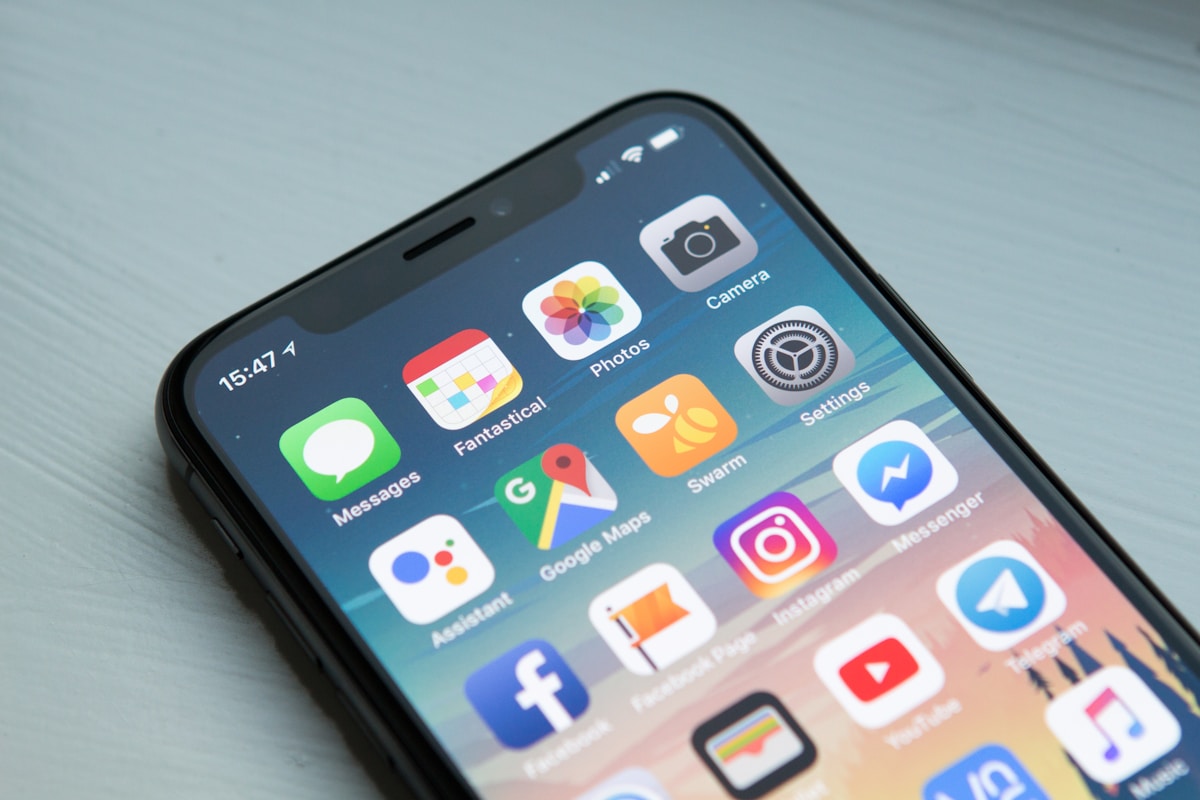
Here's the cycle: you pick up your phone to check one thing. Thirty minutes later, you've scrolled through a feed of content you didn't choose, seen three things that made you anxious, two that made you angry, and none that you'll remember by dinner. You put the phone down feeling worse than when you picked it up. Tomorrow, you'll do it again.
This isn't a willpower problem. Research on doom-scrolling reveals it's a neurochemical trap, and understanding the mechanism is the first step to breaking free.
The Anxiety Loop
A 2022 study on doom-scrolling and mental well-being found that the habit is linked to worse life satisfaction and increased anxiety. An August 2024 study of 800 adults went further, finding that doom-scrolling specifically evokes existential anxiety — a deep, unsettling feeling of dread.
The mechanism is surprisingly specific. Humans have a negativity bias: we pay more attention to bad news than good news. This was useful when bad news meant "there's a predator nearby." It's less useful when bad news means "here's your 47th update about a crisis you can't influence."
Meanwhile, every new piece of information triggers a small dopamine release. New information = potential survival advantage, so your brain rewards you for finding it. Even when the information is terrible. Even when it makes you feel worse.
The result is a self-reinforcing loop: anxiety drives you to seek more information (to resolve uncertainty), new information triggers dopamine (rewarding the behavior), but the content increases anxiety (because negativity bias ensures you disproportionately absorb the bad stuff), which drives more seeking.
Researchers have identified intolerance of uncertainty as the core driver. The uneasy feeling that you might be missing something important keeps you refreshing, even though refreshing consistently makes you feel worse.
What Your Brain Actually Wants
Your brain doesn't want passive content. It wants challenge. It wants engagement. It wants to solve things.
The dopamine system that social media exploits was designed for a different purpose: to reward you for solving problems, learning new skills, and achieving goals. When you solve a chess puzzle, that dopamine release is qualitatively different from the one you get from a new tweet. It comes with a sense of accomplishment rather than a sense of anxiety.
This is why people report feeling good after solving a puzzle and feeling empty after scrolling a feed, even though both activities involve staring at a screen. The screen isn't the problem. What you're doing on it is.
The Active vs. Passive Distinction
Research on screen time effects shows a crucial distinction that most "screens are bad" arguments miss:
Passive screen time (scrolling feeds, watching endless videos) is consistently associated with worse cognitive outcomes and lower well-being. Active screen time (online learning, puzzle-solving, intentional reading) is associated with positive outcomes.
A chess puzzle on your phone is active screen time. Instagram reels are passive screen time. The device is identical. The cognitive experience is completely different. This is the core insight behind our guide to screen time vs. think time.
The Swap, Not the Ban
Telling people to "put down their phone" doesn't work because it fights a craving with nothing. The craving for novelty and stimulation is real. It won't go away because you feel guilty about it.
What works is replacing the passive content with active content. Same phone, same moments of boredom, different activity. Instead of opening Instagram when you're waiting for the bus, open a puzzle. Instead of scrolling Twitter before bed, read an article you saved.
The craving gets satisfied. But instead of feeding you anxiety, it feeds you something that leaves you feeling sharper and calmer. Try habit stacking to make the swap automatic — attach the new behavior to something you already do.
The point isn't to become a monk who never touches a screen. It's to notice the difference between screen time that leaves you feeling better and screen time that leaves you feeling worse — and gradually shift the ratio. If you're looking for genuinely positive content to fill that space, it's out there.
Sources & Further Reading
- Doomscrolling and Psychological Distress (2022) — How habitual negative news consumption affects mental health
- Doomscrolling and Existential Anxiety (ScienceDaily, 2024) — New research on the deeper psychological effects
- Bad Is Stronger Than Good (Psychology Today) — Roy Baumeister on negativity bias
- Intolerance of Uncertainty and Doomscrolling — What drives compulsive scrolling
- Active vs. Passive Screen Time — Why what you do on screens matters more than time spent
- How to Replace Doom-Scrolling — The Morning Move
- Screen Time vs. Think Time — The Morning Move
Replace one scroll with one solve. enPuzzant.com gives you a daily chess puzzle, and The Morning Move pairs it with news that actually improves your morning.